The United States consumes 20 percent of the world’s energy – 40 percent of this quantity comes from our residential and commercial buildings. As obvious as it sounds, reducing our buildings’ energy use will go a long way in minimizing our carbon output and ensuring a sustainable environment for our homes and workplaces.
Utility Tracking and Benchmarking Blog | WegoBlog
Whether you're looking to become a more informed citizen, kill some time on a Friday, or check out a funny video of a dog, WegoWise has got you covered. Check out this week's links for some neat photos, interesting thoughts on LED bulbs, and perhaps the greatest GIF of them all.
Tags: Renewables, Sustainability, News and Policy, Recycling, Green living
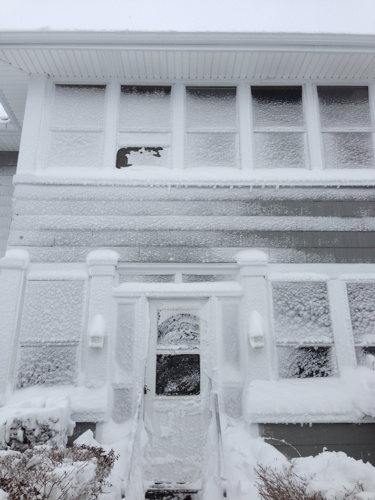
Unlike last year, it felt like we had a real winter this year in Boston. This has kept heating costs in the forefront of peoples' minds, mostly because they're wishing they were lower. Since this winter is much colder, it makes it difficult to compare last year's heating bills to this year's, or the ones from the year before. So if you made changes that you think will save you money, how do you know if they did, even though your heating costs have gone up? What you want to know is what your gas usage would have been if the weather was essentially the same every year. A great way to do this is to compare heating energy intensity for the two years. Keep reading to learn how to calculate this.
What do money and energy have in common? More than you think
Posted by Kelly Smith on Tue, Mar 05, 2013
By now, we have all heard about the rising cost of energy and the financial advantages of increasing energy efficiency - predictable budgeting, reduced operating expenses (one estimate is $400 billion savings per year), limited deferred maintenance expenditures. But there is another link between the dollars in your bank account and the kilowatt-hours used at your facility. They are both measured in numbers, and that means data and analytics can be harnessed to save.
Whether you're looking to become a more informed citizen, or just kill some time before 5 on a Friday, WegoWise has got you covered! Resilience is the idea that in a world that is increasingly unpredictable, simple sustainability is not enough, and that we need to be prepared to cope with consistently changing conditions. Resilience applies to just about every facet of society, including the environment, our food supply, geopolitics and the economy. Think of it as a way of understanding complex and volatile systems, and preparing to adapt. Go ahead and peruse our best links, drop a comment below, and be sure to share some of the information you just learned with other interested parties at the parties you're hopefully attending this weekend.
Tags: Sustainability, News and Policy
Smarter, Scrappier, and More Sustainable: Energy Resilience
Posted by Sam Watters on Fri, Mar 01, 2013
Formed in conversation with Sustainability, Resilience is the idea that in a future of more frequent severe weather events, long-term global climate change, and geopolitical turmoil, we should restructure our major cultural systems to not only tread lightly on the earth, but to be resilient to disaster, and more adaptable to unexpected changes.
Resilience is predicated on the fact that the major systems structuring our lives are static and fragile. Our transportation, food system, and electrical grid, for example, are all massive, complicated systems that we rely upon daily, but which are prone to break during disaster events such as hurricanes, drought, or fuel shortages. Specifically in this blog post, I’d like to talk about how resilience applies to energy.
Whether you're looking to become a more informed citizen, or just kill some time before 5 on a Friday, WegoWise has got you covered. William Gibson famously said: "The future is already here — it's just not very evenly distributed." Each news cycle brings more support to his claim as wild technologies aim to transform the way we use energy, grow food, and live on our planet . Read up on some of the latest revolutions happening around us, and be sure to share the information you learn with other interested parties at the parties you're hopefully attending this weekend.
Tags: Renewables, Sustainability, News and Policy, Energy efficiency
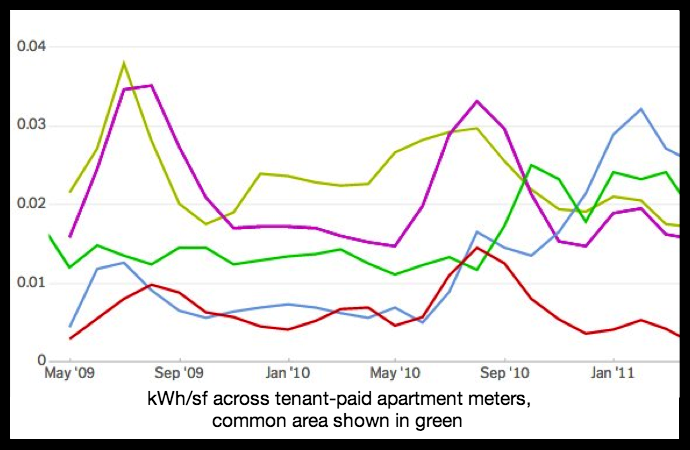
Tenant Utility Tracking in Multifamily Residential Buildings
Posted by Sam Watters on Thu, Feb 21, 2013
At a launch event on February 6th at the HUD regional office, WegoWise was on hand as Boston LISC unveiled their recently published guide for “Green & Healthy Property Management”. The guide provides an incredible resource for affordable as well as market rate multifamily housing owners to explicitly define and apply green measures within their portfolios. In this post, we’ll highlight the most important features of this publication, but encourage our readers to check it out in its entirety!
Tags: News and Policy, Energy efficiency, Affordable housing, Water Conservation, Green living
Whether you're looking to become a more informed citizen, or just kill some time before 5 on a Friday, WegoWise has got you covered. With President Obama's State-of-the-Union endorsement of energy efficiency, we're looking forward to seeing what new initiatives get pushed forward in the coming years. One rising trend in energy legislation is the growth of municipal benchmarking and disclosure laws. From New York to Seattle to Washington, D.C., cities are catching on to the value of measuring, comparing, and analyzing how buildings use energy. So read up on some of the latest developments in this field, and be sure to share the information you learn with other interested parties at the parties you're hopefully attending this President's Day weekend.
Tags: Renewables, Sustainability, News and Policy, Energy efficiency